25 years of Apple laptops: why going back to basics often means progress
Twenty-five years of Apple laptops. From colourful iBooks to lightning-fast M1 chips. You'd think every generation is better than the last. Logical, right? But here's what no one tells you: the biggest leaps forward were often the moments when Apple went back to basics.
Take the 2009 polycarbonate MacBook – technically a step back after the aluminium design, but suddenly affordable again for students. Or the M1 MacBook Air that wiped out all Intel variants by returning to Apple's own chip architecture. The pattern is clear: revolution isn't created by constantly adding more features. It's created by starting over.
Just as today, you can breathe new life into a five-year-old MacBook with the right accessories. Or how AirPods ushered in the wireless era by omitting the headphone jack.
Useful links
The iBook: where it all began (1999-2006)
The iBook marked Apple's entry into the consumer laptop market. This model immediately distinguished itself with its transparent plastic design in brightly colored variants – think Tangerine, Blueberry, and Key Lime. With a 300 MHz G3 processor and 32 MB RAM, the specifications now seem modest, but at the time, this was groundbreaking for the price.
The clamshell design gave way to a white polycarbonate model in 2001. This version became popular with students due to its robust build and affordable price. The device effortlessly survived the daily grind of lecture halls and libraries. Later versions received G4 processors and grew to 14-inch screens.
MacBook: the transition to Intel (2006-2012)
In 2006, Apple introduced the MacBook as the successor to the iBook. The main change? Intel processors instead of PowerPC. This meant faster performance and the ability to run Windows via Boot Camp – a practical solution for users who needed both systems.
The white polycarbonate initially remained its trademark. In 2008, an aluminum unibody version followed, but it quickly disappeared again. The white plastic variant from 2009 proved to be a bull's-eye: affordable, durable, and powerful enough for daily use. Students and aspiring professionals massively opted for this model.
MacBook Air: ultrathin pioneering (2008-present)
In 2008, Steve Jobs pulled the first MacBook Air out of a Manila envelope. At 1.94 cm at its thickest point, this device defined what an ultrabook could be. The first generation had limitations – one USB port, no optical drive – but the vision was clear: portability above all else.
The second generation (2010-2017) found the perfect balance. With two USB ports, an SD card reader, and improved battery life, this became the standard model for many users. The price also dropped, making it accessible to a wider audience.
In 2018, the Retina display finally came to the Air line. USB-C replaced all other ports, which initially met with resistance but ultimately became the new standard. The 2020 M1 version changed everything: 18 hours of battery life, no fan needed, and performance that surpassed Intel models.
MacBook Pro: power for professionals (2006-present)
From the start, the Pro line targeted demanding users. Video editors, programmers, and designers got dedicated graphics cards, faster processors, and more memory. The aluminum unibody design from 2009 set the tone for the coming decade.
The Retina display debuted in 2012 on the Pro. With 2880x1800 pixels on 15 inches, text was razor-sharp and photos were lifelike. These models remained popular for years – many professionals still use them daily.
The Touch Bar generation (2016-2019) divided the community. The OLED touchscreen above the keyboard offered contextual shortcuts, but many users missed physical function keys. The butterfly keyboard also proved problematic: sensitive to dust and with little travel.
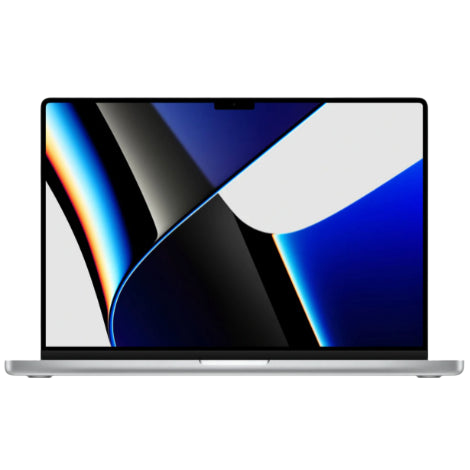
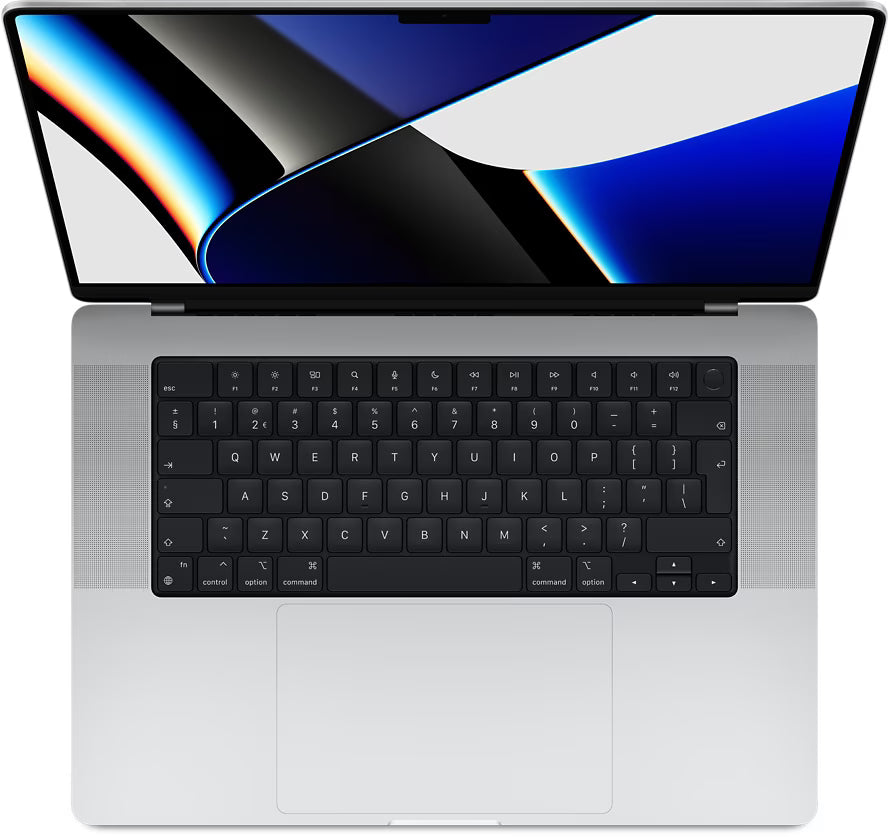
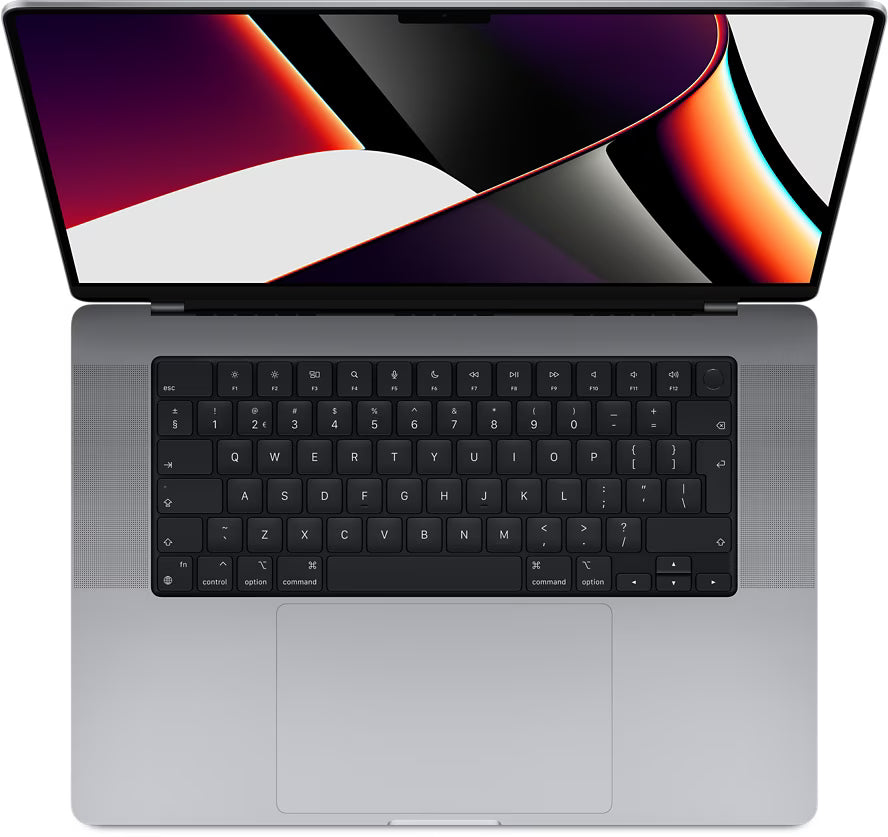
The current generation with Apple Silicon restored confidence. The M1 Pro and M1 Max chips delivered unprecedented performance. A 14-inch MacBook Pro renders 8K video without stuttering, while the battery lasts a full workday.
MacBook 12-inch: the forgotten experiment (2015-2019)
In 2015, Apple ventured into a daring experiment: a MacBook weighing only 920 grams with a single USB-C port. This model went even further than the Air in minimalism. The butterfly keyboard debuted here, as did the Force Touch trackpad.
Despite the innovative design, it wasn't a success. The Intel Core M processor was energy-efficient but slow. One port proved too limiting for many users. In 2019, the model quietly disappeared from the lineup.
The Apple Silicon revolution
November 2020 marked a turning point. The M1 chip, Apple's first custom processor for MacBooks, exceeded all expectations. A fanless MacBook Air that was faster than many Pro models? It seemed impossible, but benchmarks didn't lie.
The architecture fundamentally differs from Intel's x86. Unified memory means that CPU and GPU share the same memory, which works more efficiently. The neural engine accelerates machine learning tasks. And iOS apps run natively on macOS.
The M2 and M3 generations build on this. Each iteration brings about a 20% performance gain. More importantly: battery life remains excellent. A workday without a charger is now the norm, not the exception.
Which MacBook suits you?
The choice depends on your usage. For daily tasks – browsing, word processing, streaming – a MacBook Air M1 or M2 suffices. The fanless construction means absolute silence, ideal for libraries or bedrooms.
Professionals who edit video or compile code benefit from a MacBook Pro. The extra cores and better cooling allow for prolonged heavy loads. The ProMotion display with 120Hz refresh makes scrolling and animations smoother.
Also consider refurbished models. A two-year-old MacBook Pro often offers better specifications than a new Air for the same price. Apple's refurbished program offers the same warranty as new products.
Future perspective
Apple's roadmap suggests further integration between Mac and iPad. The M-chips are already running in both product lines. Touchscreens for MacBooks remain a highly requested feature, although Apple is currently sticking to the separation.
Sustainability is becoming more important. Since 2018, Apple has used recycled aluminium for casings. The goal is to become completely CO2-neutral by 2030. This influences future designs: modular components for easier repair are likely.
History shows that Apple's biggest innovations often come from unexpected places. Who would have predicted the impact of the M1 transition? The next revolution could very well come out of a Manila envelope.
The power of simplification
Twenty-five years of MacBook evolution shows one thing: the biggest breakthroughs didn't come from constantly adding more, but from returning to the essence. From the affordable polycarbonate MacBook to the silent M1 Air – success lay in simplification.
That lesson still applies. Whether you choose a brand new model or a refurbished one, the best MacBook is the one that does just enough. No more, no less. That's what Apple keeps returning to, and where the next revolution will likely begin.