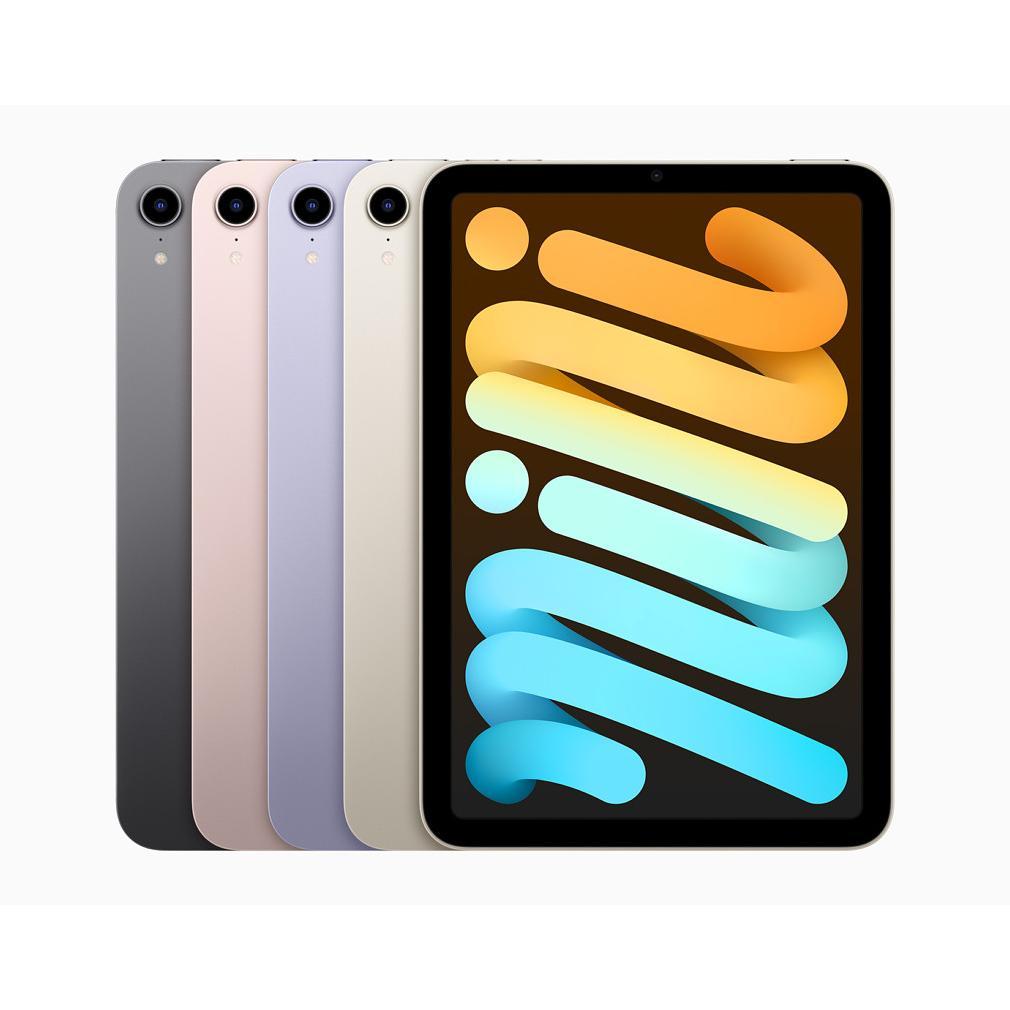
Ten years of iPad evolution: From revolution to evolution
From clumsy beast to feather-light workhorse. You'd think every new generation was a revolution. But here's the thing: the real breakthroughs were rarer than Apple wants you to believe. Between 2010 and 2020, fifteen different iPad models appeared, but only a handful truly brought groundbreaking innovations. The rest? Marginal improvements that mainly hit the wallet.
Yet, it is precisely this seemingly slow evolution that is the secret to its success. By taking small steps, the iPad remained accessible to new users, and Apple kept loyal customers hooked with just enough innovation. From that first clumsy tablet without a camera to the current Pro with a dual-lens and modern accessories like the Apple Pencil – we take you along the timeline of expectations, disappointments, and surprises.
Useful links
The development of the iPad shows a fascinating journey through ten years of technological evolution. From the first clunky model without a camera to the current Pro versions with advanced features - each generation brought its own improvements. But not every update was equally revolutionary. Between 2010 and 2020, fifteen different models appeared, only a handful of which truly introduced groundbreaking innovations.
The beginning: first generation (2010)
The very first iPad appeared in 2010 with a 9.7-inch screen and weighing 700 grams. This first model only came in silver with a black bezel. You could read books on it, listen to music, email, and surf the internet. The biggest omission? A camera was completely missing. In retrospect, a striking choice for a device that focused on communication.
First major step forward: iPad 2 (2011)
A year later, the iPad 2 appeared with significant improvements. The device became thinner, lighter, and more powerful. The most important addition was two cameras, making photography and video calling finally possible. This second generation solved many of the original's teething problems.
Retina revolution: third and fourth generation (2012)
In early 2012, Apple introduced the Retina display in the third generation. This super sharp screen meant a huge leap in quality for the viewing experience. The processor became faster and the camera improved.
Less than six months later, generation four already followed. The main change was the switch from the wide 30-pin connector to Lightning. For the first time, you could choose from multiple colours: space grey, gold, or silver.
Feather-light: iPad Air series (2013-2014)
The iPad Air from 2013 marked a new direction. This model was noticeably lighter and thinner than its predecessors, with a significantly faster processor. Available in silver with white or grey with black.
The second generation Air followed in 2014 with Touch ID as the main innovation. This allowed you to unlock the device with your fingerprint - a feature that seems obvious today but was innovative at the time.
Professional ambition: iPad Pro (2015-2020)
In 2015, Apple launched the iPad Pro for professional users. With a 12.9-inch Retina screen, this was the largest model to date. Four speakers provided superior sound. The Smart Connector made it possible to connect a keyboard. At the same time, the Apple Pencil and the rose gold color option appeared. Half an hour later, a more compact 11-inch variant also arrived.
The Pro line received an update in 2017 with True Tone technology for more natural colours and higher refresh rates. In 2018, a complete redesign followed without a home button, similar to the iPhone X. Face ID replaced Touch ID and the Liquid Retina display got rounded corners. Apple also switched to USB-C.
The 2020 version brought improved cameras, including a dual-lens setup. This enabled advanced augmented reality applications.
Back to basics: standard iPad (2017-2019)
After a five-year hiatus, the 'regular' iPad returned in 2017. The fifth generation was as light and thin as the Air models, with a 9.7-inch Retina display and Touch ID.
The sixth generation from 2018 was the first non-Pro model to support the Apple Pencil. The seventh generation (2019) moved away from the 9.7-inch format. Narrower bezels kept the device compact despite the larger screen.
Compact powerhouse: iPad Mini timeline
The iPad Mini deserves special attention. This 7.9-inch model debuted in 2012 as a handy alternative. The Mini 2 (2013) received a Retina screen and faster processor. From the third generation (2014), Touch ID was standard.
The Mini 4 from 2015 became even thinner without other major changes. After four years of silence, the fifth generation appeared in 2019. This model performed as fast as the latest Air - impressive for such a compact device.
Retrospect: evolution versus revolution
Looking back at ten years of iPad development, it is striking that real breakthroughs were rare. The Retina display, Touch ID, the Pro line with Apple Pencil, and the new design without a home button - these were the real milestones. The rest consisted mainly of incremental improvements.
Yet, it is precisely this steady evolution that is the secret to its success. By taking small steps, each model remained accessible to new users. At the same time, existing customers received just enough innovation to stay interested. From clumsy beast to feather-light workhorse - the transformation took place gradually but unmistakably.
For buyers today, this means that even older generations often still perform excellently. An iPad Air from 2019 or a standard model from 2018 offers more than enough functionality for many users. The latest Pro models are particularly interesting for specific professional applications or those who want the very latest.
The power of incremental progress
Ten years of iPad history teaches us that technological progress doesn't always have to come in big leaps. Most generations brought modest improvements, but it was precisely this steady evolution that made the iPad what it is today: a mature product that offers a suitable model for every user.
Whether you choose an affordable basic model or a Pro with all the bells and whistles, the fundamental quality remains. Even older generations perform well for daily use – a sign that Apple's incremental approach ultimately proved to be the right choice.